

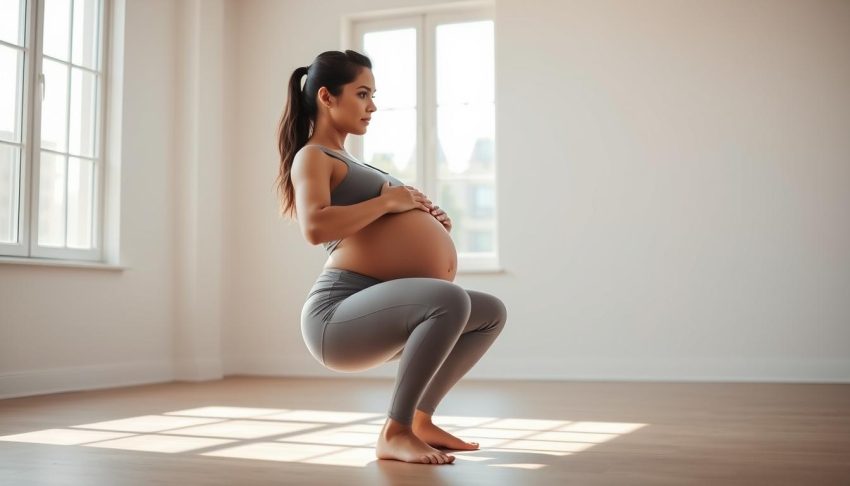
Welcome to your complete guide on staying active while expecting! This resource focuses on building strength safely throughout your journey.
Maintaining lower body strength becomes increasingly important as your body changes. These movements can help reduce common discomforts like back pain.
Whether you’re new to fitness or have an established routine, this guide offers valuable insights. We’ll cover proper techniques and trimester-specific modifications.
Always remember that every pregnancy is unique. Listen to your body and consult your healthcare provider before starting any new activity.
Key Takeaways
- Squats can be beneficial for maintaining lower body strength during pregnancy
- Proper form helps reduce common discomforts like back pain
- Different trimesters may require specific modifications
- Always consult with your healthcare provider before starting
- Listen to your body and adjust intensity as needed
- Staying active can help with fatigue and overall well-being
Why Squat Exercises During Pregnancy Are Beneficial
Staying active brings amazing rewards for both you and your baby. These movements offer comprehensive strength training that adapts to your changing body.
They work multiple muscle groups simultaneously. This approach provides more complete benefits than isolated exercises.
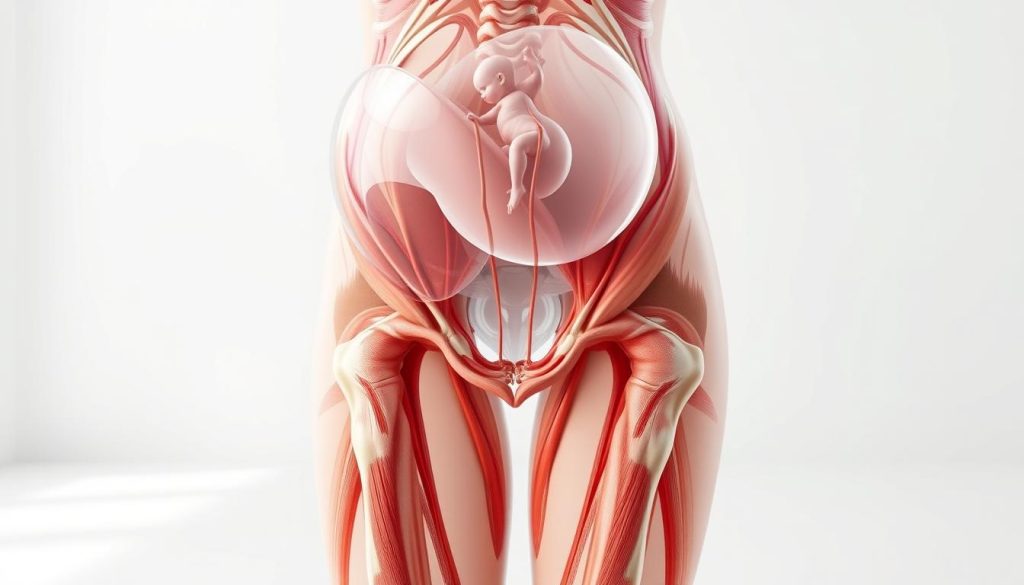
Strengthening Your Lower Body and Core
These movements target your glutes, quadriceps, and hamstrings. They also engage your core muscles for stability.
Strong muscles support your growing belly. This reduces strain on your lower back and improves overall posture.
Better alignment means less pain and discomfort. You’ll feel more comfortable standing and moving throughout your day.
Improving Pelvic Floor Function
Your pelvic floor supports vital organs during this special time. These movements engage these pelvic floor muscles dynamically.
Research shows they’re 30% more effective than Kegels alone. The natural engagement strengthens the entire floor area comprehensively.
This support reduces pressure and maintains bladder control. Strong pelvic floor function contributes to overall health and comfort.
Preparing Your Body for Labor
These practices build endurance and mobility for birth. The strength gained supports you through the demands of labor.
Positions learned now can help during delivery. Squatting opens the pelvis by 20-30%, creating more space for baby.
Regular practice increases your range motion and confidence. You’ll feel physically prepared for the movement required during labor.
Energy levels often get a boost too. Increased blood circulation fights fatigue while building essential strength.
Safety First: Precautions Before Starting Your Squat Routine
Creating a safe fitness plan requires thoughtful preparation. Your well-being and your baby’s health come before any workout goals.
This section covers essential safety measures every expecting mother should know. These guidelines help you stay active while minimizing risks.
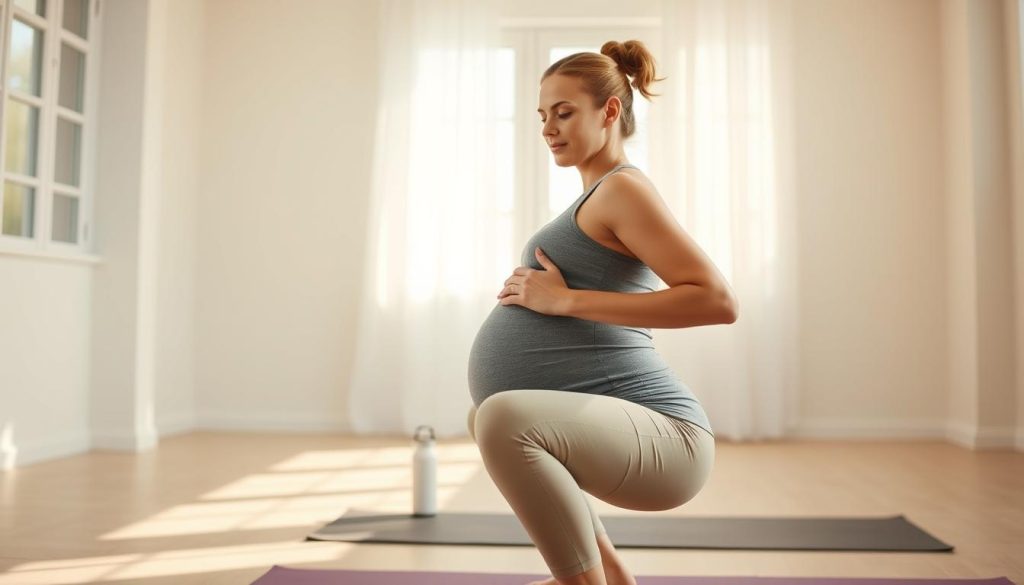
Consulting Your Healthcare Provider
Always speak with your doctor before beginning any new activity. They understand your unique pregnancy situation best.
Medical clearance becomes especially important with any complications. Your provider can recommend appropriate modifications for your health.
This professional guidance ensures your routine supports both you and your baby. Never skip this crucial first step.
Recognizing When to Stop Exercising
Listen to your body’s signals during physical activity. Certain symptoms require immediate attention.
Stop immediately if you experience dizziness or shortness of breath. Other warning signs include chest pain or vaginal bleeding.
Muscle cramps or uterine contractions also mean you should pause. Your safety always comes first.
Adapting to Your Changing Body
Your body undergoes remarkable transformations during this special time. The relaxin hormone increases joint flexibility throughout pregnancy.
This natural process means you should avoid overstretching. Your center of gravity shifts as your baby grows.
This change affects your balance during any movement. Perform all activities slowly and with control.
Heavy resistance training generally isn’t recommended for most women. Unless you were previously trained at high levels.
Avoid excessive bouncing or jumping motions. These high-impact activities create unnecessary pressure.
Keep your knees aligned over your toes during movements. Maintain proper foot placement with heels grounded.
Use a wall for support if needed. Keep your shoulders relaxed and back straight.
Adjust your routine as your pregnancy progresses. Your changing weight distribution requires ongoing modifications.
Essential Squat Techniques for Pregnant Women
Proper form makes all the difference between beneficial movement and potential strain. Learning these fundamental techniques ensures you get the most from your routine while protecting your changing body.
Focus on quality over quantity with each repetition. Your comfort and safety should guide every aspect of your practice.
Maintaining Proper Form and Posture
Start with your feet positioned shoulder-width apart. Point your toes slightly outward for natural hip alignment.
Keep your weight distributed toward your heels throughout the entire movement. This protects your knees and maintains better balance.
Maintain a straight back throughout the motion. Your shoulders should stay relaxed but engaged.
Proper alignment prevents unnecessary strain on your lower back. This reduces the risk of pain or discomfort.
- Position feet shoulder-width apart with toes facing forward
- Distribute weight through your heels, not toes
- Keep knees aligned behind or in line with toes
- Maintain straight back with engaged core muscles
- Use arms extended forward for additional balance
Breathing Techniques During Squats
Coordinate your breathing with each phase of the movement. This oxygenates your muscles and supports your cardiovascular system.
Inhale deeply as you lower your body. Exhale steadily as you return to standing position.
Never hold your breath during physical activity. Consistent breathing maintains proper blood flow and oxygen levels.
Finding Your Comfortable Range of Motion
Listen to your body’s signals to determine optimal depth. Only descend to a point that feels comfortable and controlled.
Pregnancy hormones increase joint flexibility significantly. Avoid going beyond your usual range of motion to prevent overstretching.
If you need support, position yourself near a wall. You can also use a chair for balance assistance.
Most women find 3 sets of 10-15 repetitions works well. Adjust based on your energy levels and comfort.
Remember to squeeze your glute muscles as you stand. This engages the proper muscle groups effectively.
5 Pregnancy-Safe Squat Variations to Try
Exploring different movement patterns keeps your routine fresh and effective. These five variations offer unique benefits while prioritizing safety for expecting mothers.
Each option targets specific muscle groups and addresses common pregnancy needs. You’ll discover options for strength building, hip flexibility, and balance support.
Bodyweight Squats for Fundamental Strength
This fundamental movement uses your body weight as natural resistance. Stand with your feet shoulder-width apart with toes facing forward.
Extend your arms forward for better balance. Lower slowly while keeping your heels grounded.
This basic pattern builds lower body strength safely. Perform 3 sets of 10-15 repetitions.
Sumo Squats for Hip Opening
This variation features a wide stance with feet positioned beyond shoulder width. Point your toes outward at a comfortable angle.
The wide position creates excellent stretch through the hips. It specifically targets inner thigh muscles and glutes.
This movement pattern supports pelvic opening for labor. Complete 3 sets of 10-15 reps.
Wall Squats with Exercise Ball for Support
Place an exercise ball between your lower back and a stable wall. The ball provides comfortable support throughout the movement.
Contract your abdominal muscles as you lower into the position. This engagement strengthens your core while protecting your spine.
The added instability further challenges your stability systems. Aim for 3 sets of 10-15 repetitions.
Chair Squats for Balance Assistance
Stand about one foot from a sturdy chair facing away. Slowly sit back until you lightly touch the seat.
Use your glute muscles to return to standing. This modification is ideal for women experiencing balance challenges.
The chair provides security while maintaining proper posture. Perform 3 sets of 10-15 reps.
Deep Squat Holds with Pelvic Floor Engagement
Assume a wide sumo position with toes turned outward. Lower as far as comfortable while maintaining proper form.
At the bottom position, perform a Kegel contraction. This engages your pelvic floor muscles comprehensively.
Hold for 10 seconds before standing. Repeat 5 times for optimal pelvic floor training.
This combination movement prepares your body for birth. It builds both strength and flexibility simultaneously.
Modifying Your Squat Routine Through Each Trimester
Your body transforms beautifully through each stage of pregnancy. Your fitness approach should evolve alongside these changes.
This section guides you through trimester-specific adjustments. You’ll learn how to maintain activity while honoring your body’s needs.
First Trimester Adjustments
The initial weeks bring unique challenges like fatigue and nausea. Your routine might need gentle modifications during this time.
Many women can continue their pre-pregnancy activity levels with medical clearance. Always consult your doctor before maintaining intensity.
Listen carefully to your body’s signals now more than ever. Some days might require lighter movement or complete rest.
Focus on maintaining proper form rather than increasing intensity. This foundation supports your changing body beautifully.
Second Trimester Considerations
Your growing baby creates noticeable shifts in your center of gravity. This change requires increased attention to balance during activity.
Wider stances provide more stability for your movement practice. Position your feet slightly wider than shoulder-width apart.
Consider using a chair or wall for additional support. These tools help maintain proper posture and prevent strain.
Avoid single-leg variations that challenge stability excessively. Your safety remains the absolute priority throughout this trimester.
Third Trimester Adaptations
The final trimester brings the most significant physical transformations. Comfort becomes your guiding principle for all activity.
Reduce your range of motion to what feels comfortable and controlled. Your body will naturally guide you to appropriate depth.
Supported variations become especially valuable now. Chair squats and wall-assisted movements provide security.
Most women should avoid additional weight during this period. Your changing body provides sufficient resistance for maintaining strength.
These adaptations prepare you physically for labor and birth. They maintain mobility while prioritizing safety and comfort.
Addressing Common Concerns About Squatting While Pregnant
Many expecting mothers have questions about maintaining their fitness routine. It’s natural to wonder about safety and effectiveness as your body changes.
This section tackles those important questions head-on. We’ll provide clear answers based on current medical understanding.
Managing Balance and Stability Changes
Your growing baby shifts your center of gravity significantly. This natural change affects your balance during physical activity.
Many women notice these changes around the second trimester. The extra weight in front alters your usual posture.
Simple modifications make a big difference. Use these practical tools for better stability:
- Position yourself near a wall for light support
- Place a sturdy chair behind you for security
- Try exercise balls against walls for comfortable backing
- Widen your foot placement for better base support
These adjustments help you maintain proper form. They reduce the risk of falls while keeping your routine effective.
Dealing with Discomfort or Pain
Some muscle fatigue is normal during physical activity. Actual pain signals something different.
Learn to distinguish between these sensations. Muscle tiredness feels like general exhaustion in your muscles.
True pain typically feels sharp or localized. It might occur in your back, knees, or hips.
Reduce your range of motion if you experience discomfort. Limit repetitions or use lighter support.
Stop immediately if you feel any sharp pain. Consult your doctor before resuming your activity.
Listen to your body’s signals above all else. Your comfort and safety remain the top priorities.
Understanding What Squats Can and Cannot Do
These movements offer wonderful benefits for expecting mothers. They strengthen your core and pelvic floor effectively.
They prepare your body for the physical demands of labor. The hip opening helps create space for birth.
However, they cannot induce labor on their own. No scientific evidence supports this common myth.
They also cannot guarantee specific birth outcomes. Every woman’s experience remains unique.
These movements build strength and maintain mobility beautifully. They support your overall health throughout pregnancy.
Always remember that medical clearance comes first. Your healthcare provider knows your situation best.
Conclusion: Building a Sustainable Squat Practice for Your Pregnancy Journey
You now have the tools to create a safe and effective routine. This practice offers incredible benefits for your changing body.
Always begin with your healthcare provider’s approval. They understand your unique needs best.
Embrace modifications that support your comfort. Your body weight provides excellent resistance throughout this journey.
Consistent practice strengthens your pelvic floor and reduces back discomfort. It prepares you physically for labor while improving overall posture.
Listen to your body’s signals and adjust as needed. You’re building strength for both yourself and your baby.
Move forward with confidence in your abilities. This sustainable approach supports your wellness every step of the way.