

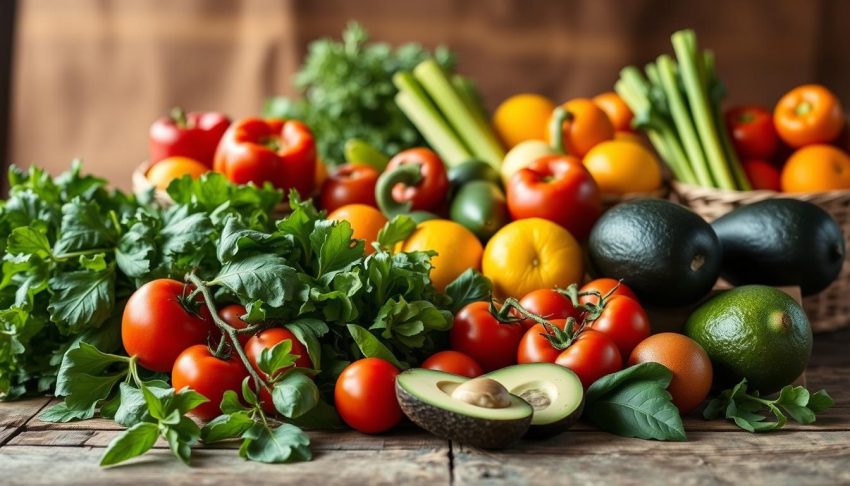
Welcome to this friendly guide where we explore how simple changes in your diet can make a real difference in managing your cardiovascular wellness. What you eat plays a powerful role in your overall health, and for many people, dietary choices can be as effective as medication when it comes to maintaining healthy levels.
Did you know that over one billion people worldwide live with hypertension? This condition represents the most common preventable risk factor for heart disease. The good news is that lifestyle adjustments can have profound positive impacts on your numbers.
Throughout this article, we’ll introduce you to ten specific, delicious, and accessible options that research supports for cardiovascular benefits. Each recommendation comes with scientific backing and expert approval.
We want to empower you to take control of your wellness through informed choices that fit your unique journey. This guide doesn’t just list items—it explains the why behind each suggestion in an approachable way.
Managing your levels through nutrition doesn’t mean sacrificing flavor or eating boring meals. It’s about making smart, sustainable choices that work in real life while supporting your cardiovascular system.
Key Takeaways
- Dietary changes can significantly impact cardiovascular wellness
- Over 1 billion people worldwide manage hypertension
- Lifestyle adjustments offer powerful prevention strategies
- Food choices can be as effective as medication for many individuals
- This guide covers 10 scientifically-backed nutritional options
- Understanding the “why” behind recommendations builds confidence
- Healthy eating doesn’t require sacrificing flavor or enjoyment
Introduction to a Heart-Healthy Lifestyle
Taking control of your cardiovascular health starts with recognizing the power of lifestyle modifications. Many individuals discover that simple daily adjustments can create meaningful improvements in their wellbeing.

Cardiologist Dr. R. Kannan Mutharasan from Northwestern Medicine emphasizes the significant impact of natural approaches. He explains how these changes can rival medication effectiveness for many individuals.
Overview of Natural Management Approaches
Regular monitoring provides the only way to know your current numbers. Healthcare providers typically check these readings during routine visits.
For moderately elevated readings, many doctors suggest a three-month trial of lifestyle adjustments before considering medication. This demonstrates the legitimate role natural strategies play in cardiovascular care.
“Diet and lifestyle can have a profound impact on blood pressure, and it’s worth as much as one or two pills. It’s just as potent.”
Importance of Comprehensive Changes
Natural management works alongside medical care rather than replacing it. The goal involves potentially reducing medication needs under professional supervision.
Lifestyle modifications extend beyond nutrition to include exercise, stress reduction, and weight control. This article focuses primarily on dietary choices that support cardiovascular function.
These adjustments are achievable for most people and offer benefits beyond just numbers. Consistent practice leads to lasting improvements in overall heart health.
Understanding Hypertension and Its Dietary Links
When we talk about high blood pressure, we’re discussing one of the most common yet misunderstood health conditions worldwide. Over 1 billion people globally manage this cardiovascular issue, making it incredibly prevalent.
What is High Blood Pressure?
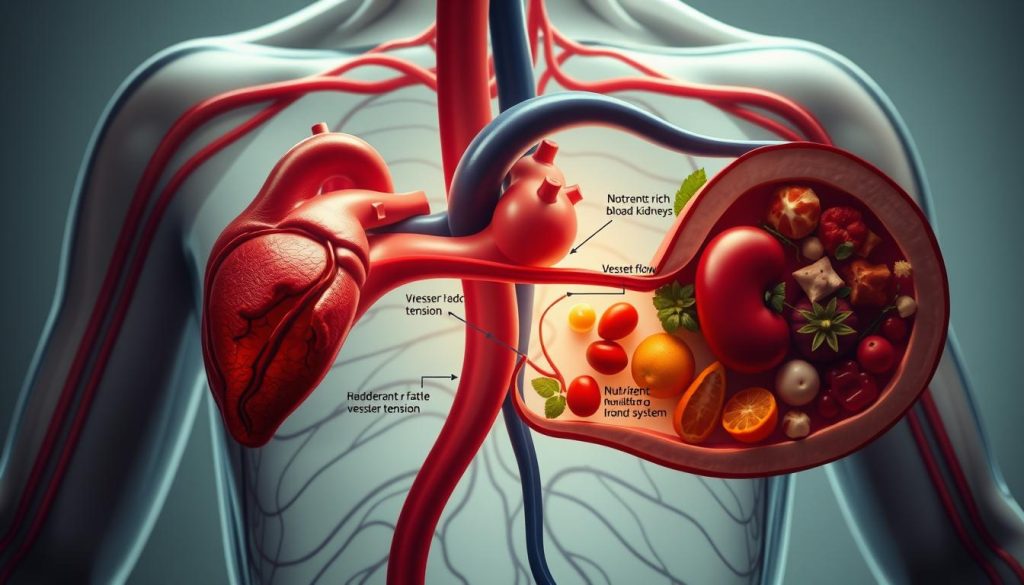
Medical professionals define hypertension as systolic pressure of 130 mm Hg or higher, or diastolic pressure above 80 mm Hg. These numbers represent the force of blood pushing against your artery walls.
When this force remains consistently elevated, it strains your heart and damages blood vessels over time. This condition significantly increases your risk of heart disease, stroke, and kidney problems.
How Food Choices Impact Heart Health
Sodium plays a crucial role in blood pressure management. Americans typically consume far more than the recommended 2,300 mg daily limit. Excess sodium causes water retention, increasing blood volume and pressure.
The good news is that certain nutrients can counteract sodium’s effects and support healthy blood vessel function. While hypertension is serious, it’s highly manageable through informed dietary choices combined with medical guidance.
Making smart food decisions can significantly impact your cardiovascular wellness. The next section will explore specific nutrients that support healthy levels.
Nutrients that Support Healthy Blood Pressure
Your body relies on specific minerals and compounds to maintain healthy circulation and vascular function. These nutrients work together like a well-trained team, each playing a unique role in supporting your cardiovascular system.
The Role of Potassium, Magnesium, and Calcium
Potassium acts as sodium’s natural counterbalance. It helps your kidneys flush out excess sodium while relaxing blood vessel walls. This dual action improves blood flow and reduces pressure on your cardiovascular system.
Many Americans don’t get enough magnesium through diet alone. This mineral works at the cellular level to promote blood vessel relaxation. It’s essential for maintaining healthy circulation.
Calcium plays a crucial role in proper blood vessel function. It enables your vessels to contract and relax appropriately in response to your body’s needs. This maintains consistent, healthy blood flow.
Fiber and Omega-3 Fatty Acids Benefits
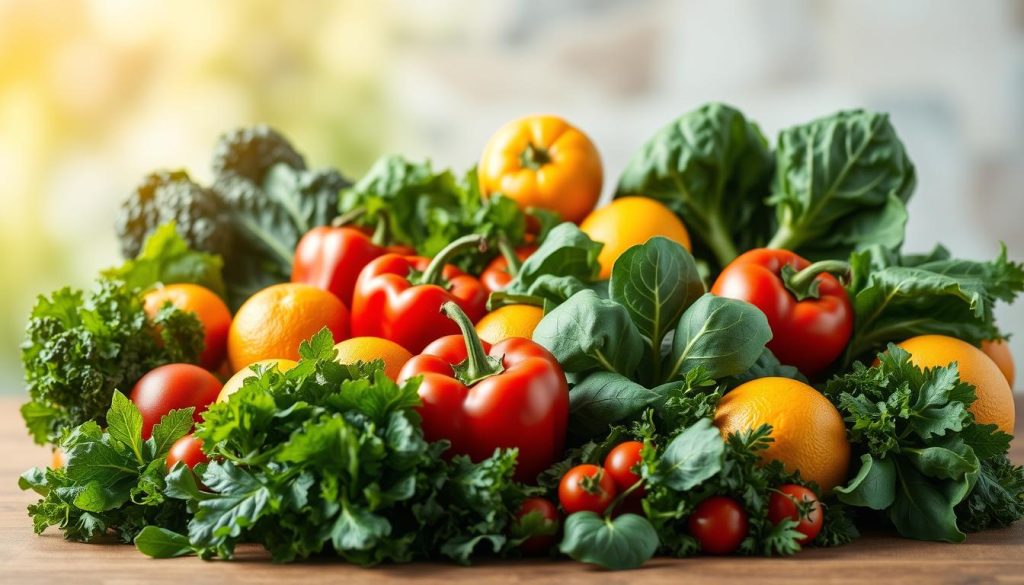
Dietitian Roshini G. Merneedi recommends 25-35 grams of fiber daily. This nutrient feeds beneficial gut bacteria that produce short-chain fatty acids. These compounds have been proven to help maintain healthy levels.
Just half a cup of berries or one cup of oatmeal delivers about 4 grams of fiber. This makes daily goals more achievable for most people.
Omega-3 fatty acids provide heart-protective effects by slowing plaque buildup in blood vessels. Research shows 2-3 grams daily (about one salmon serving) offers optimal benefits for circulation health.
Nitrates found in certain vegetables convert to nitric oxide in your body. This molecule naturally dilates blood vessels and improves circulation.
“Patients with kidney disease should check with their doctor before increasing potassium intake.”
Dietitian Merneedi also cautions those on blood thinners about vitamin K in certain foods. Always seek personalized medical guidance when making significant dietary changes.
Top Foods to Lower Blood Pressure Naturally
Transform your plate into a natural pharmacy with these scientifically-backed nutritional options. Research continues to reveal how specific ingredients can support cardiovascular wellness through multiple mechanisms.
Dairy, Yogurt, and Fatty Fish
A 2021 study demonstrated that yogurt may produce positive outcomes for those managing hypertension. This benefit comes from its rich combination of calcium, potassium, and magnesium.
Choose unsweetened natural or Greek varieties for maximum benefit. Fatty options like salmon and mackerel deliver omega-3 powerhouses that work with vitamin D to support healthy circulation.
Aim for the research-backed target of 2-3 grams of omega-3s daily. This equals about one 3.5-ounce serving of salmon.
Leafy Greens, Berries, and Nuts
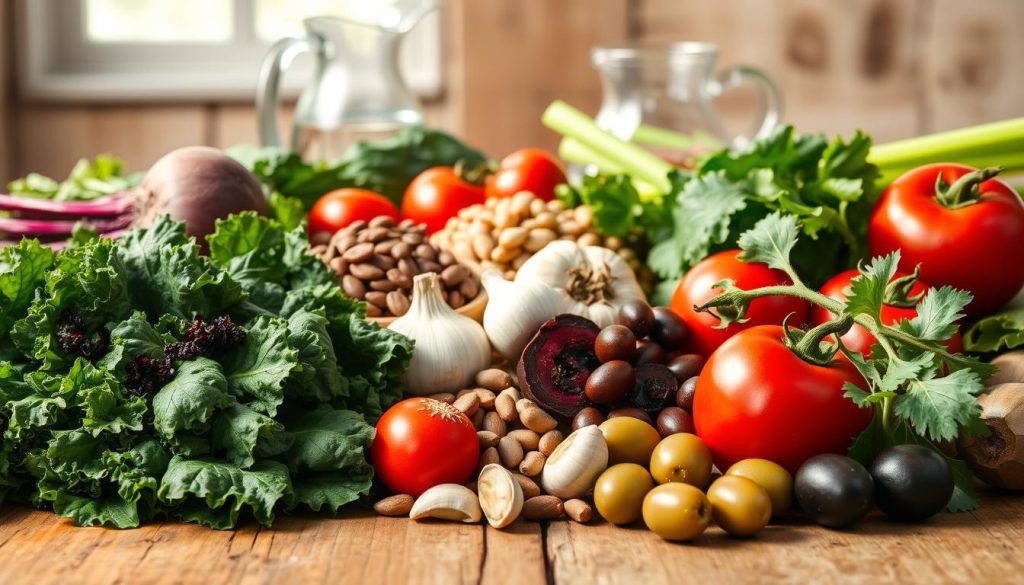
Leafy vegetables like spinach, kale, and Swiss chard are nutritional superstars. They’re loaded with nitrates that convert to blood vessel-relaxing nitric oxide.
One cup of cooked Swiss chard delivers 150mg of magnesium and 961mg of potassium. Berries rich in anthocyanins show impressive results in research studies.
A 2020 review found various berries could reduce systolic readings by over 3 mm Hg. Cranberry juice showed particularly strong effects.
Unsalted pistachios make convenient snacks that research suggests can support healthy levels. Don’t forget bananas—one medium fruit provides about 420mg of essential potassium.
Incorporating Foods to Lower Blood Pressure into Your Diet
Putting these nutritional strategies into practice might feel overwhelming at first, but simple kitchen habits make the transition surprisingly smooth. The key is focusing on consistent, small changes that add up over time.
Home cooking becomes your most powerful tool. It lets you control ingredients, especially sodium, which hides in restaurant meals.
Meal Planning and Recipe Ideas
Start your day with unsweetened oatmeal for a fiber boost. Use whole-grain bread for lunch sandwiches. Enjoy seasoned quinoa or brown rice with dinner.
For a simple fish preparation, lightly season a filet with herbs. Drizzle it with olive oil and broil. This maximizes omega-3 benefits in minutes.
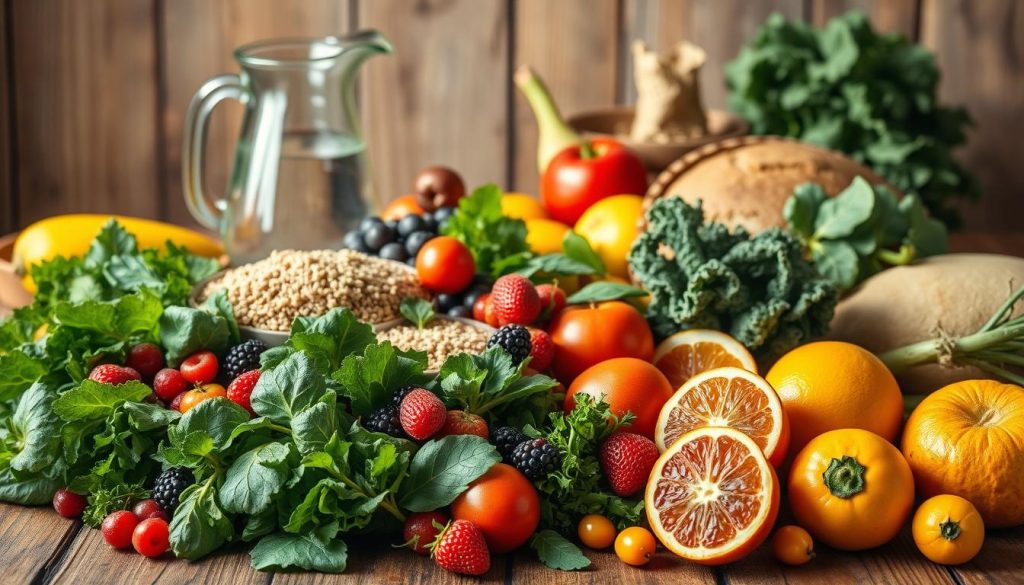
Vary your leafy green intake to keep things interesting. Sauté spinach as a side dish. Add fennel to soups. Bake kale into crispy chips for a snack.
Blend pistachios into a flavorful pesto for pasta. Or keep small portions handy for convenient snacking.
Practical Tips for Daily Incorporation
Research suggests eating about 530-600 grams of fruit daily supports healthy levels. This equals roughly four oranges.
Spread this amount throughout your day. Add berries to morning yogurt. Include kiwi in a fruit salad. Blend fruits into smoothies.
Replace salt with flavor-packed herbs and spices. Try cinnamon, turmeric, garlic, or cumin. Dietitian Roshini G. Merneedi recommends salt-free blends like Mrs. Dash.
These small shifts in your eating habits make a significant difference. They help you manage your cardiovascular wellness deliciously.
Considering the DASH and Mediterranean Diets
Beyond individual food choices, comprehensive eating patterns can offer powerful support for maintaining healthy levels. The DASH (Dietary Approaches to Stop Hypertension) diet represents the gold standard for cardiovascular management.
Developed by researchers with National Heart, Lung, and Blood Institute backing, this evidence-based approach earns strong medical endorsement. Cardiologist Dr. Mutharasan specifically recommends it to his patients.
Key Principles of the DASH Diet
The dietary plan emphasizes fruits, vegetables, and whole grains that deliver essential nutrients. These plant-based options provide vitamins, minerals, and fiber that naturally support cardiovascular function.
Protein choices favor fish, poultry, and beans over red meat. This approach reduces saturated fat while maintaining nutritional quality. Low-fat or fat-free dairy products supply calcium without excess saturated fat.
The eating strategy limits sodium, cholesterol, sweets, and added sugars. These restrictions help manage hypertension and support overall heart health.
Dietitian Merneedi confirms that “low-sodium and increased plant-based eating does make a difference.” She also notes the Mediterranean diet as another effective option.
Research shows this comprehensive approach reduces heart disease risk. It works by addressing high blood pressure and improving cholesterol levels simultaneously.
Lifestyle Adjustments for Lasting Heart Health
Achieving lasting cardiovascular wellness involves more than just what’s on your plate—it’s about building sustainable lifestyle habits. Dr. Mutharasan emphasizes that diet works best when combined with regular movement and consistent monitoring.
Exercise, Weight Management, and Regular Monitoring
Cardiovascular exercise plays a crucial role in maintaining healthy numbers. Dr. Mutharasan recommends at least 150 minutes weekly—just 30 minutes five days a week. This realistic target works for most adults.
Weight management presents genuine challenges, though any loss typically helps reduce hypertension. The key lies in finding sustainable approaches that work for you personally.
Various strategies—from low-carb diets to intermittent fasting—can lead to beneficial results. What succeeds for one person might not suit another. This highlights the importance of professional guidance.
Home monitoring provides valuable insights for anyone managing elevated levels. It helps identify white coat syndrome or masked hypertension. Accurate tracking requires proper technique.
Follow these tips for reliable readings: test after morning bathroom use, sit with arm supported, place cuff on bicep, rest 2-3 minutes first, keep feet flat, and position bicep level with your heart. Regular monitoring helps track progress effectively.
Foods to lower blood pressure: Delicious, Nutritious Options
Some of the most effective nutritional choices for heart health might already be in your kitchen. Research continues to reveal how everyday ingredients can support cardiovascular wellness through multiple mechanisms.
Highlighting Star Foods and Their Benefits
Sweet potatoes deliver a powerful combination of magnesium, potassium, and fiber. These nutrients work together to support healthy circulation.
Whole grains like oatmeal contain beta-glucan fiber that research shows benefits both systolic and diastolic readings. Your morning bowl becomes a therapeutic choice.
Tomatoes and their products offer potassium and lycopene. This carotenoid has significant heart health benefits according to multiple studies.
Broccoli contains flavonoid antioxidants that enhance blood vessel function. They boost nitric oxide production for better circulation.
A 2022 study found eating two kiwis at breakfast daily for seven weeks lowered systolic readings by 2.7 mm Hg. This shows how simple habits create measurable results.
Eggs challenge old assumptions—a 2023 study linked five or more weekly with 2.5 mm Hg lower systolic levels. Carrots show a 10% hypertension risk reduction per daily cup.
Even seasoning makes a difference. Research found 1.3 teaspoons of mixed herbs and spices daily led to improvements after four weeks. Potatoes prepared healthily contribute valuable potassium.
Tips for Crafting a Low-Sodium, Flavorful Diet
Creating delicious meals that support your heart doesn’t mean giving up flavor. Smart shopping and clever seasoning are your best tools for managing your wellness.
Official guidelines suggest most adults keep daily sodium under 2,300 mg. For those with high blood pressure, the American Heart Association recommends a stricter target of 1,500 mg.
Reading Labels and Seasoning with Herbs
Understanding food labels is crucial. Dietitian Roshini G. Merneedi clarifies key terms. “Low sodium” means 140mg or less per serving.
Know the difference between “unsalted” (no salt added) and “sodium-free” (less than 5mg per serving). This knowledge empowers smarter choices.
Replace salt with herbs and spices like garlic, cumin, and rosemary. They add incredible taste without affecting your blood pressure levels.
Smart Swaps for Processed Foods
Limit items often high in sodium and unhealthy fats. This includes processed meats, canned soups, fast food, and full-fat dairy products.
For a healthy diet on a budget, consider these swaps:
- Choose canned vegetables labeled “no-salt-added.”
- Opt for frozen vegetables without sauces or seasonings.
- Select canned fruit packed in water or juice, not syrup.
Making one change per week builds sustainable habits for long-term heart health.
Conclusion
Empowering yourself with knowledge about heart-healthy eating can transform your approach to wellness management. Dr. Mutharasan reminds us that many Americans live with undiagnosed or poorly managed high blood pressure, making awareness crucial for preventing serious complications.
Diet and lifestyle changes offer genuine power for managing this condition. Some people may even reduce medication needs through dietary adjustments alone. Getting your numbers under control protects against heart disease, stroke, and kidney problems.
Dr. Mutharasan recommends getting nutrients from whole foods rather than supplements. Always consult your healthcare team before considering any supplements. For those facing financial challenges, programs like SNAP provide valuable food assistance.
You now have the knowledge and practical strategies to take meaningful steps toward better cardiovascular health. Start implementing these changes today for lasting benefits.