

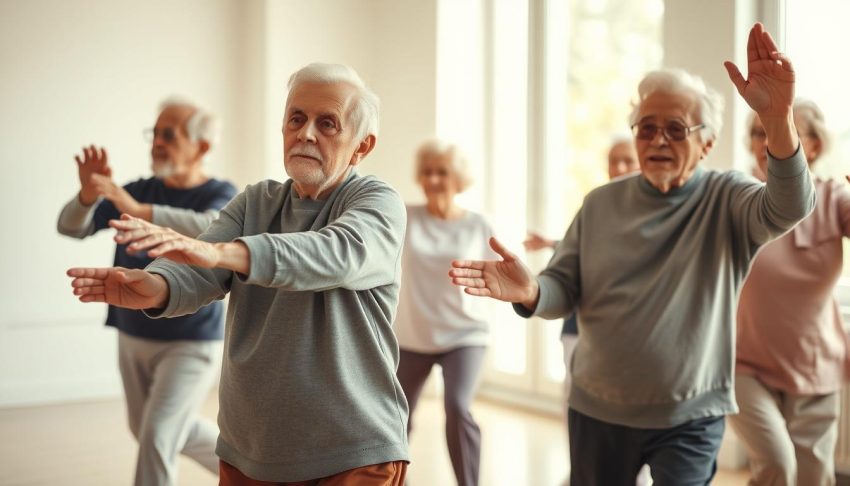
Living with joint discomfort can make everyday activities feel like a major challenge. If you’re one of the many older adults navigating this, you understand how it can affect your quality of life.
It might seem like staying still is the best answer. However, the opposite is often true. Gentle, mindful movement is one of the most effective ways to manage stiffness and pain.
This type of physical activity is designed to be safe and comfortable. It puts minimal stress on your joints while keeping your body strong and flexible. The goal is to help you move with greater ease.
It’s never too late to start feeling better. Even small amounts of the right movement can make a big difference. This guide will show you how to begin a sustainable routine that fits your life.
We will explore various gentle activities, important safety tips, and the many benefits beyond pain relief. You can look forward to improved mobility, greater independence, and a brighter outlook.
Key Takeaways
- Gentle movement can be a powerful tool for managing joint discomfort.
- Safe physical activity is designed to minimize stress on the body.
- Starting a new routine is achievable at any age or fitness level.
- Consistent, gentle exercise can improve mobility and overall well-being.
- This guide provides practical steps to create a sustainable activity plan.
Understanding Arthritis and Its Impact on Mobility
Navigating life with persistent joint issues often means rethinking how you approach everyday tasks. Understanding what’s happening in your body can help you make better choices for your well-being.
Common Arthritis Conditions and Joint Pain
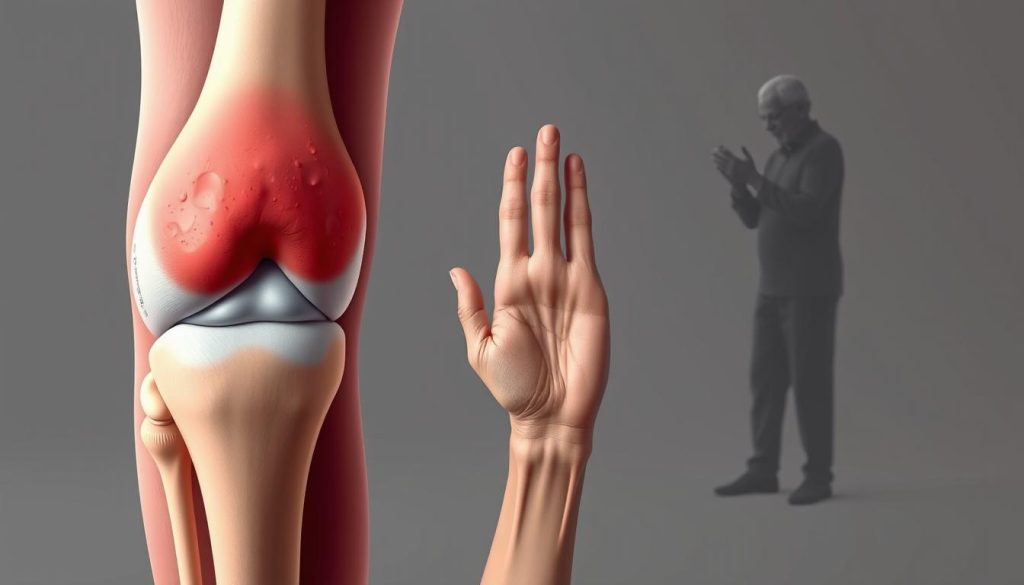
Several types of arthritis can affect your mobility. Osteoarthritis develops when the protective cartilage cushioning your joints wears down over time. This leads to bone-on-bone friction causing discomfort and stiffness.
Rheumatoid arthritis is different—it’s an autoimmune condition where your body mistakenly attacks the joint lining. This creates inflammation, swelling, and pain throughout multiple joints.
Bursitis involves inflammation of the small fluid-filled sacs that cushion your joints. It typically causes localized pain in areas like shoulders, elbows, and hips.
How Reduced Flexibility Affects Daily Activities
When joint stiffness sets in, simple activities become challenging. Getting dressed, preparing meals, or walking around your home can feel like major accomplishments.
Reduced flexibility often creates a difficult cycle. People tend to move less due to pain, which leads to more stiffness and decreased range of motion. This is why gentle movement becomes so important for maintaining independence.
Consulting with healthcare professionals is essential for proper diagnosis. Understanding your specific condition empowers you to choose the right approach for managing your symptoms effectively.
Low impact exercises for seniors with arthritis: Must-Try Options
Discovering enjoyable activities that support your joints can transform your daily experience with movement. The right choices provide excellent benefits for your overall health.
Walking and Nordic Walking for Cardiovascular Health
Walking stands out as one of the most accessible forms of exercise. It requires only supportive shoes and can be adapted to any fitness level.
Nordic walking adds poles for extra stability and upper body engagement. This turns a simple walk into a full-body workout that’s gentle on your joints.
Water Aerobics and Swimming for Joint Relief
Water-based activities offer remarkable relief for sore joints. The buoyancy supports your body weight while providing gentle resistance.
Water aerobics classes provide fun, social opportunities to move comfortably. Swimming serves as a complete workout that improves cardiovascular fitness without stress on your body.
Tai Chi and Yoga for Improved Balance and Flexibility
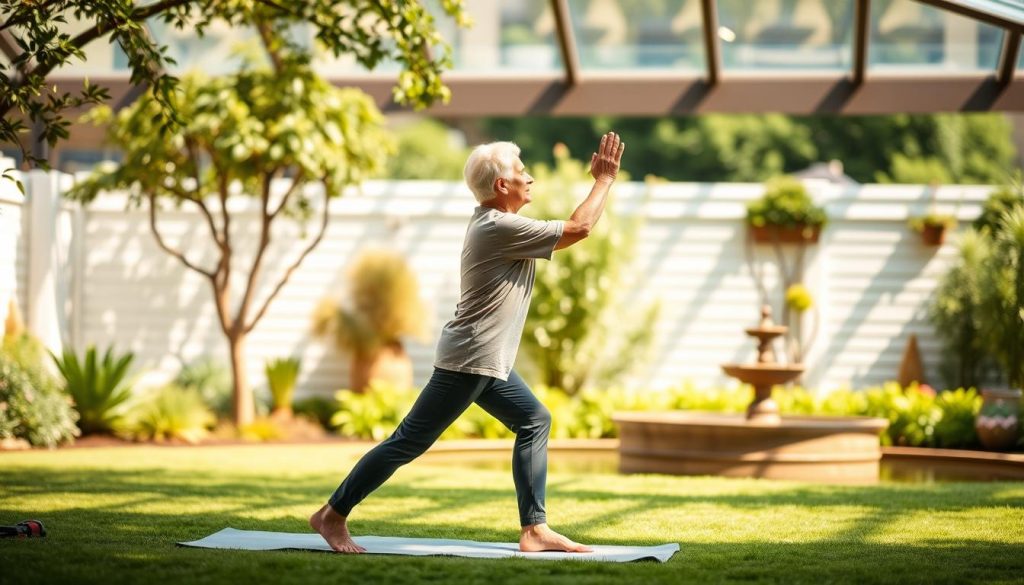
Tai Chi features slow, flowing movements combined with deep breathing. This ancient practice enhances balance and reduces stiffness effectively.
Yoga offers gentle poses and stretches that promote flexibility and relaxation. Many classes provide modifications specifically designed for people managing arthritis.
Incorporating Gentle Resistance and Chair Exercises
Building strength around your joints can be a game-changer for managing daily comfort. Stronger muscles provide better support and stability, helping protect sensitive areas.
You don’t need heavy weights or gym equipment. Gentle resistance from bands or light weights works perfectly. Even your body weight provides effective resistance for building muscle strength.
Strength Training to Support Joints and Muscles
Start with simple movements that target key areas. Resistance band pulls are excellent for your arm and shoulder muscles. Heel raises strengthen your leg muscles and improve ankle stability.
Range-of-motion exercises keep your joints flexible. Try these daily movements:
- Ankle rotations while sitting comfortably
- Gentle shoulder rolls to release tension
- Wrist flexion exercises holding each position
Chair-Based Workouts for Enhanced Mobility
Chair exercises offer safe, effective options for building strength. They’re perfect if standing activities feel challenging.
Try these seated movements:
- Chair squats using the seat for support
- Seated leg lifts to strengthen hips and knees
- Seated marching to improve circulation
Begin with just a few repetitions and gradually increase. Consistency matters more than intensity for lasting benefits to your joints and overall mobility.
Creating a Safe and Enjoyable Exercise Routine
Starting a new fitness journey requires thoughtful preparation to ensure both safety and enjoyment. A well-planned approach helps you stay consistent while protecting your joints.
Tips on Warming Up and Preventing Injuries
Proper preparation is essential for comfortable movement. Begin each session with gentle range-of-motion activities to increase blood flow.
Wear supportive footwear and exercise on stable surfaces. Listen to your body and modify any movement that causes discomfort beyond mild muscle fatigue.
Importance of Doctor Consultation and Progressive Goals
Consult your healthcare provider before beginning any new activity. They can recommend specific movements and identify any to avoid based on your condition.
Set small, achievable targets for your mobility and comfort. Tracking your progress provides motivation and shows how regular movement reduces stiffness.
This thoughtful way of approaching physical therapy supports both physical and mental health. Consistent care through appropriate exercise brings lasting benefits.
Conclusion
Your journey toward better joint health begins with a single, gentle step. The activities we’ve explored—from walking and water aerobics to tai chi and chair-based movements—offer practical ways to stay active while being kind to your body.
These approaches work by building strength around sensitive areas while improving your balance and flexibility. This support system helps reduce daily stiffness and discomfort in areas like knees, hips, and shoulders.
Remember that consistency matters more than intensity. Even small amounts of regular movement can bring significant improvements to your mobility and overall comfort. It’s never too late to start feeling better.
Consult with your healthcare provider to create a personalized plan. Then try one new activity this week. This investment in your well-being pays dividends in independence and quality of life.